Everything You Need to Know About Acetaminophen Toxicity In Dogs With Hip Dysplasia
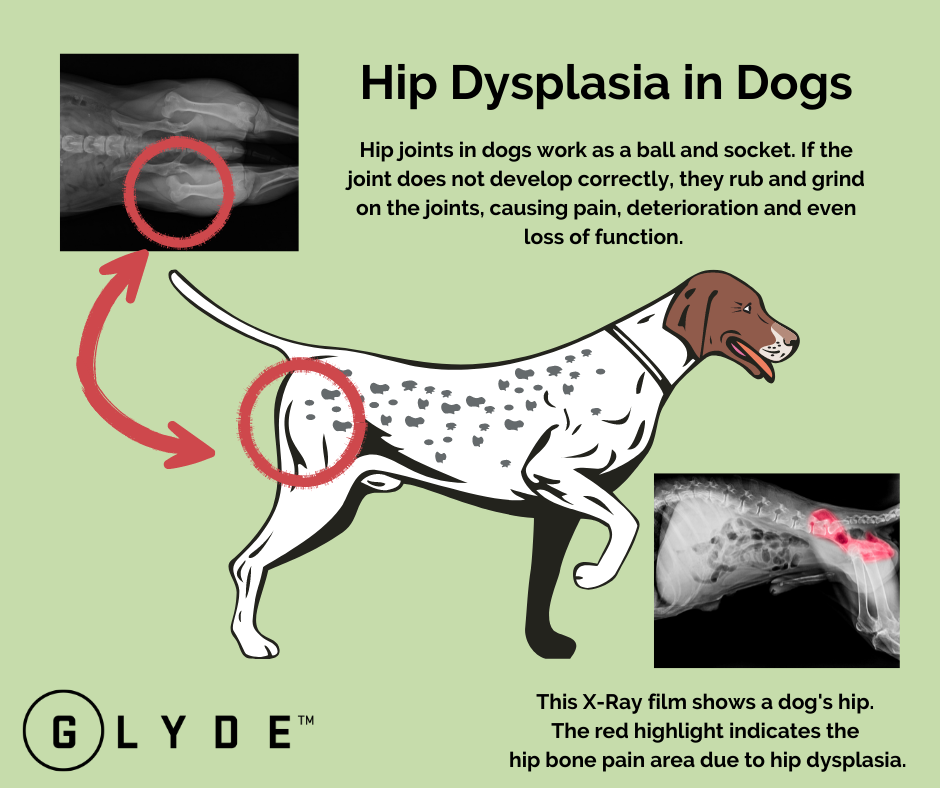
People frequently ask about Acetaminophen Toxicity In Dogs With Hip Dysplasia and how to handle it well, and the goal here is to give you a clear and practical overview without any confusion.

Whether this is your first look at the subject, a deep dive, or a quick fix for an ongoing problem, what follows is meant to give you confidence and a deeper understanding before you decide.
Why Acetaminophen Toxicity In Dogs With Hip Dysplasia Matters
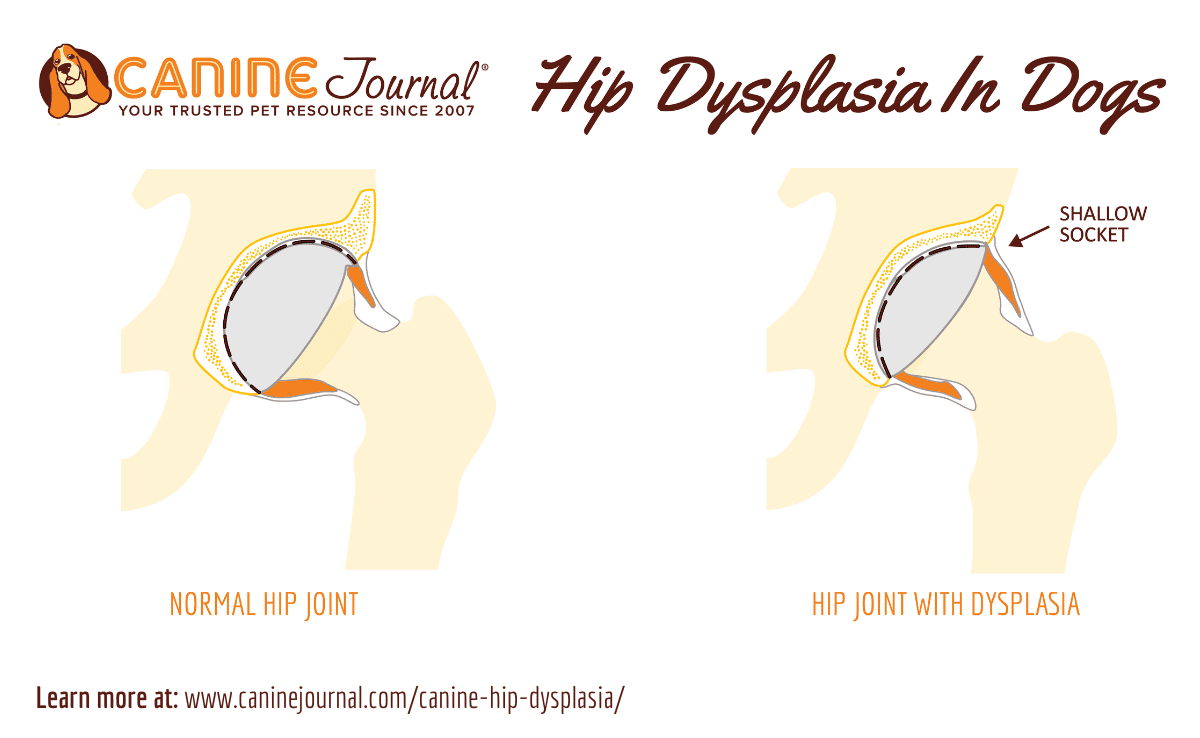
Many people overlook Acetaminophen Toxicity In Dogs With Hip Dysplasia because it seems simple at first, yet the small details can make a real difference in the outcome you get.
Knowing the reasons behind the rules keeps you from repeating common mistakes, weigh your choices more wisely, and anticipate what comes next, so nothing feels like guesswork.

The Basics Everyone Should Know
When you strip it down, Acetaminophen Toxicity In Dogs With Hip Dysplasia is about matching the right approach to your needs and then applying that choice with consistency.
Build on the basics first, and progress gradually, checking your progress and adjusting when something does not match what you planned.
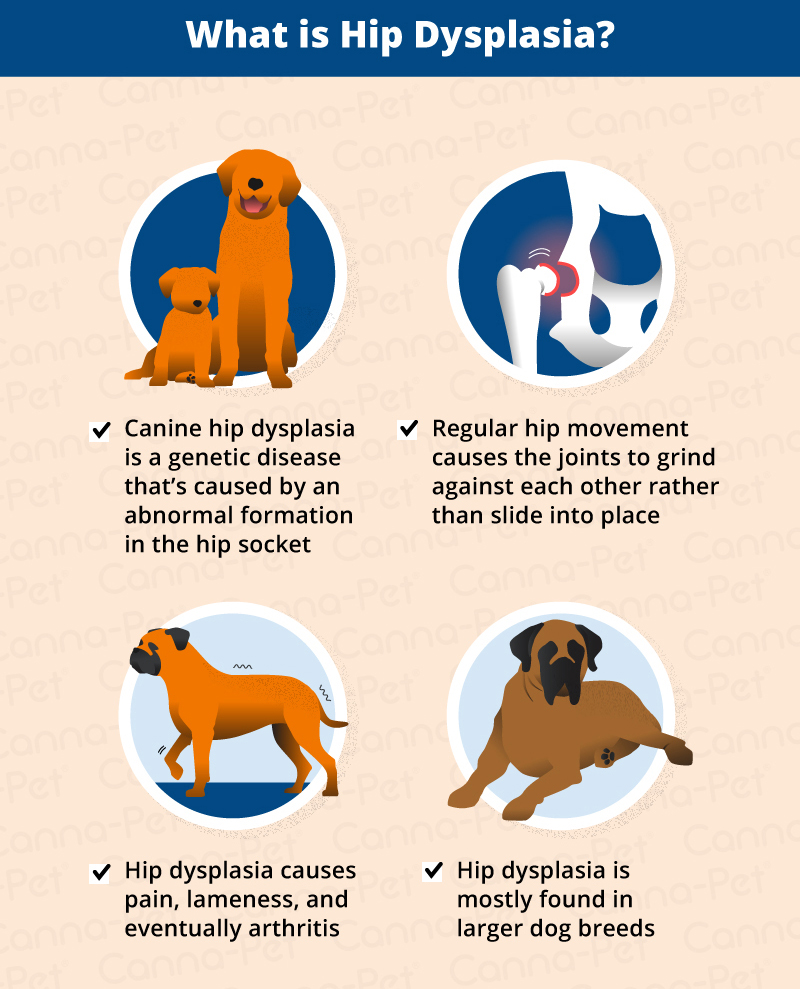
Finding the Method That Fits Acetaminophen Toxicity In Dogs With Hip Dysplasia Best
No one solution works for every person, because choosing well for Acetaminophen Toxicity In Dogs With Hip Dysplasia relies on your money, your priorities, and the options around you.
Looking at the usual options together makes it far easier to choose something dependable without paying more than you have to.

Traps to Watch Out For
The most common cause of frustration is jumping in without proper prep, and skipping it inevitably makes things harder down the road.


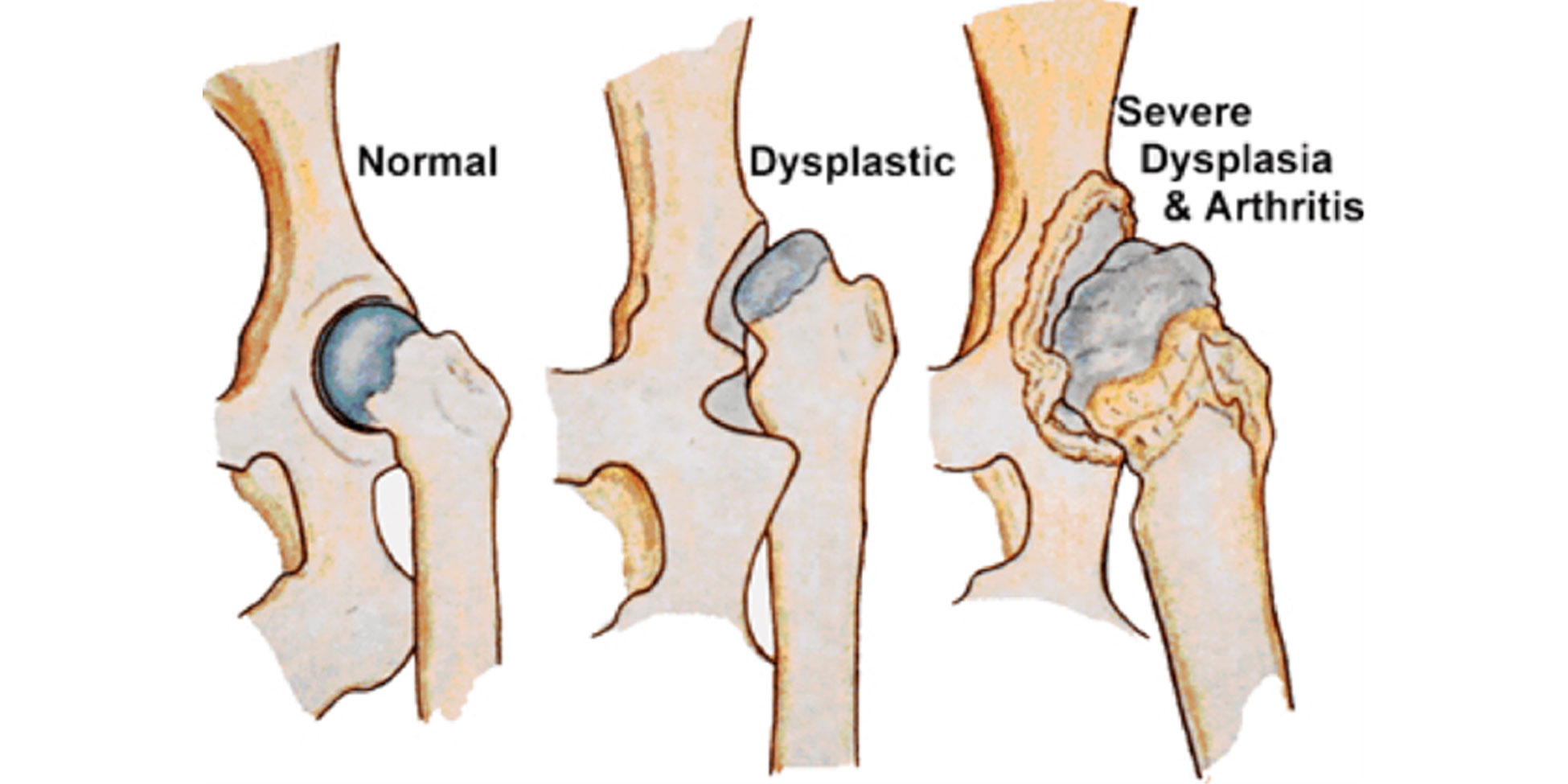


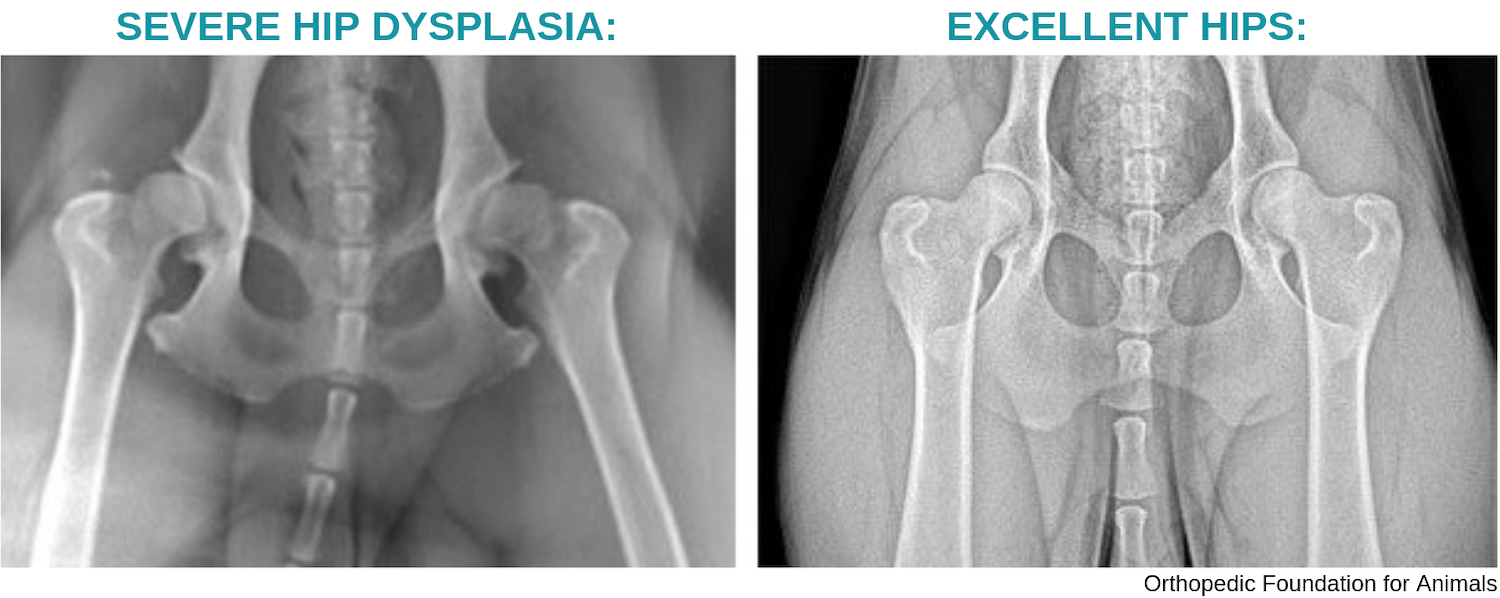


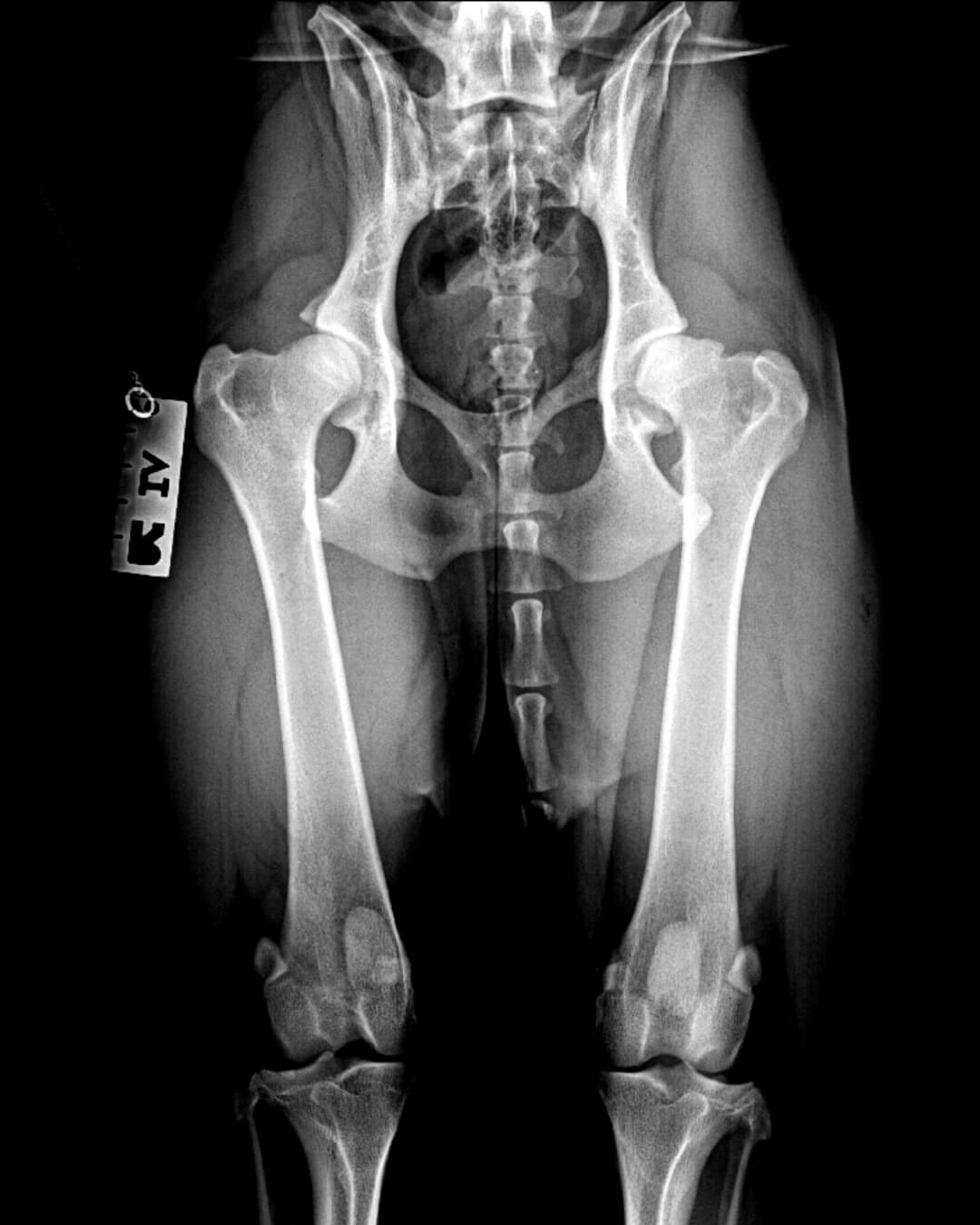

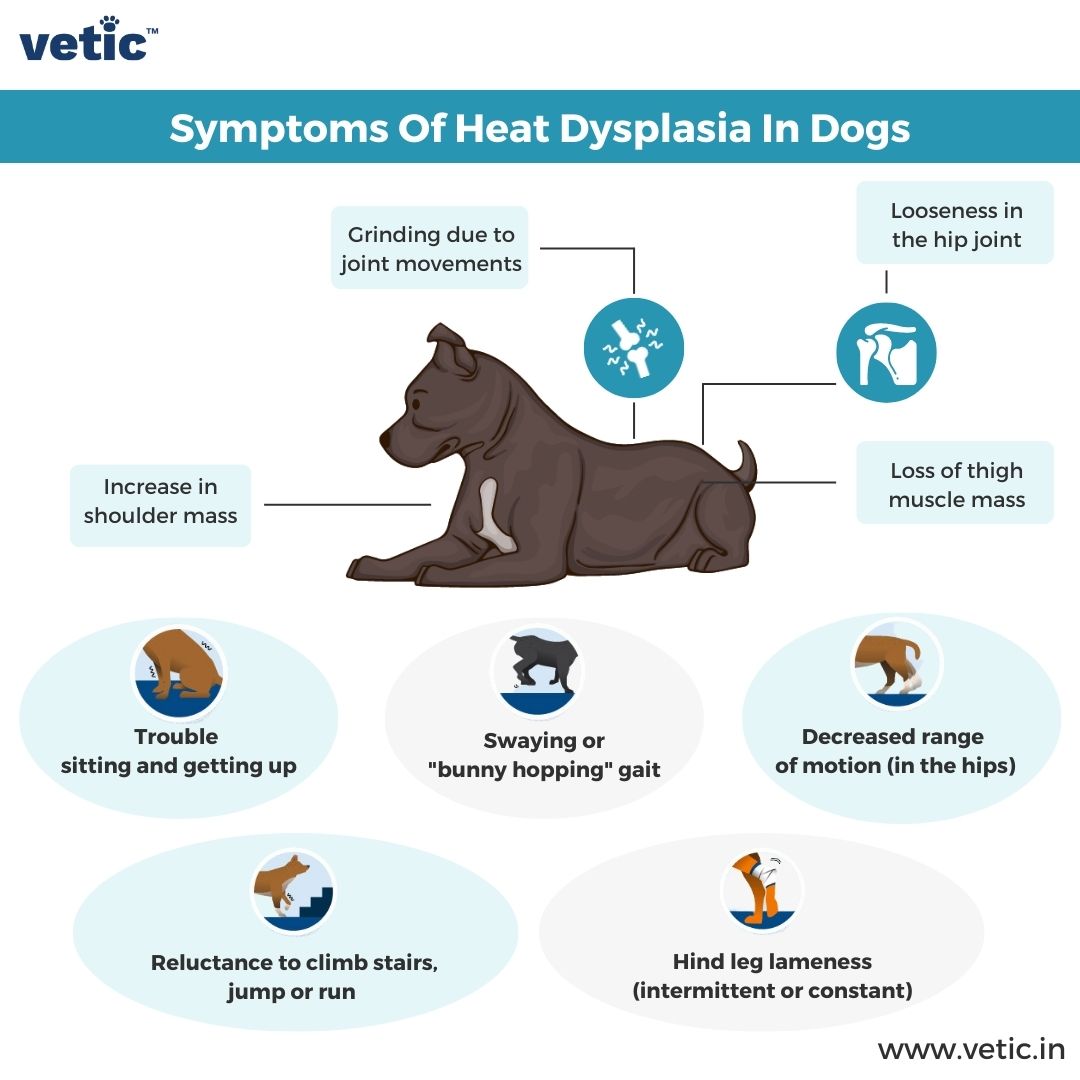
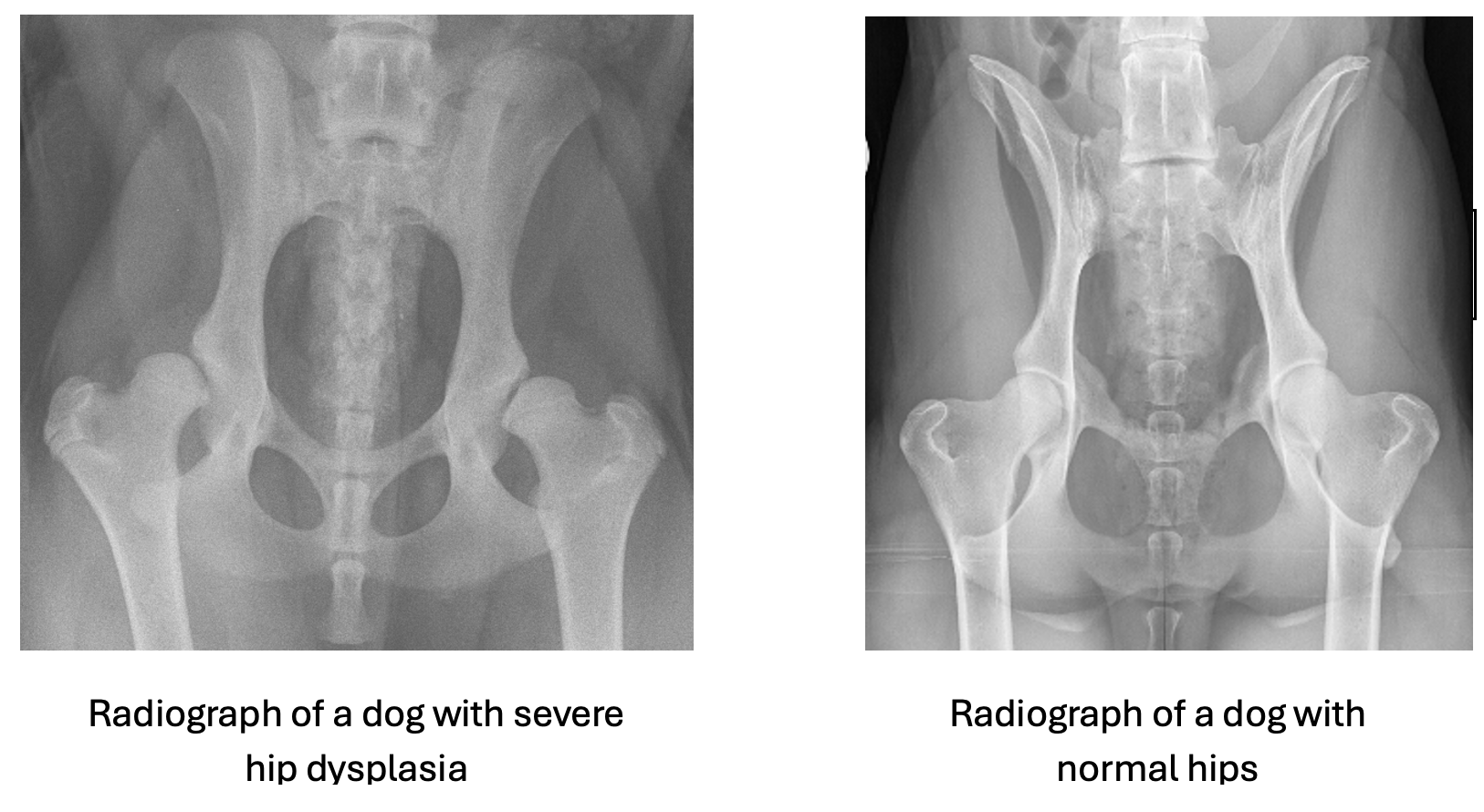





Rushing through details, ignoring maintenance, and relying on recommendations rarely leads to good results, so patience and continued evaluation are your best tools.
Simple Tips That Improve Your Results
Set realistic expectations from the start, and your experience will improve, while also monitoring how things are going on a steady basis.
Keep a small record of what changes and how it reacts, so you can tweak quickly and never make the same mistake twice.
The Role of Budget, Time, and Care
In most cases, the three biggest factors are how much it costs, when things happen, and how you maintain it, and all of them should be planned together.
A grounded plan for every factor prevents nasty surprises, and revisiting them whenever things shift keeps your plan flexible and under control.
When to Seek Guidance
Certain cases are best left to someone with professional experience, especially when the risk or the complexity is high.
Never hesitate to ask questions when you feel uncertain, and a knowledgeable opinion can prevent wasted effort and worry.
A Few Closing Thoughts
The time spent learning about Acetaminophen Toxicity In Dogs With Hip Dysplasia beforehand is always worth it and wiser choices overall.
Use this guide as a starting point, adapt it to your own situation, and build confidence as you learn through your own experience.