Everything You Need to Know About Carbon Offsetting Program Design

Carbon Offsetting Program Design is a topic that often raises a lot of questions, so this guide is built to give you a straightforward and practical answer.
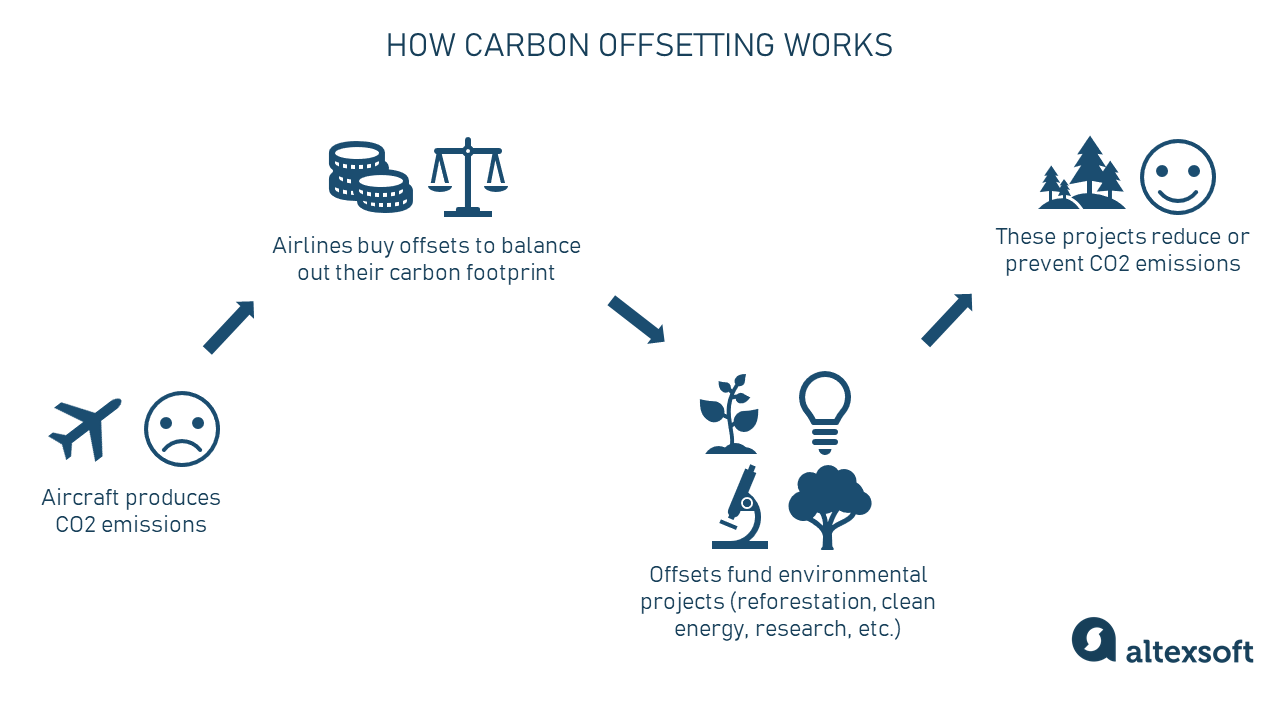
Whether you are just starting to explore it, looking for reliable guidelines, or trying to solve a specific problem, you will find practical details here that support better decisions and clearer expectations.
Why People Care So Much About Carbon Offsetting Program Design

A lot of folks underestimate Carbon Offsetting Program Design because it looks straightforward, however, the small details are often what separate good results from great ones.
Knowing the reasons behind the rules keeps you from repeating common mistakes, compare better options, and know what to expect along the way, so nothing feels like guesswork.
Starting With the Right Foundation
When you strip it down, Carbon Offsetting Program Design is about matching the right approach to your needs and applying the right approach consistently.
Lay a simple foundation, then grow from there, checking your progress and adjusting when something does not match what you planned.

Selecting What Works for Your Carbon Offsetting Program Design Situation
No one solution works for every person, as the right decision for Carbon Offsetting Program Design hinges on your funds, your targets, and what is realistically available.
Looking at the usual options together makes it far easier to choose something dependable while keeping costs in check.

Mistakes That Are Easy to Make
Most of the trouble with Carbon Offsetting Program Design comes from rushing past the groundwork, which backfires by making the whole process slower.
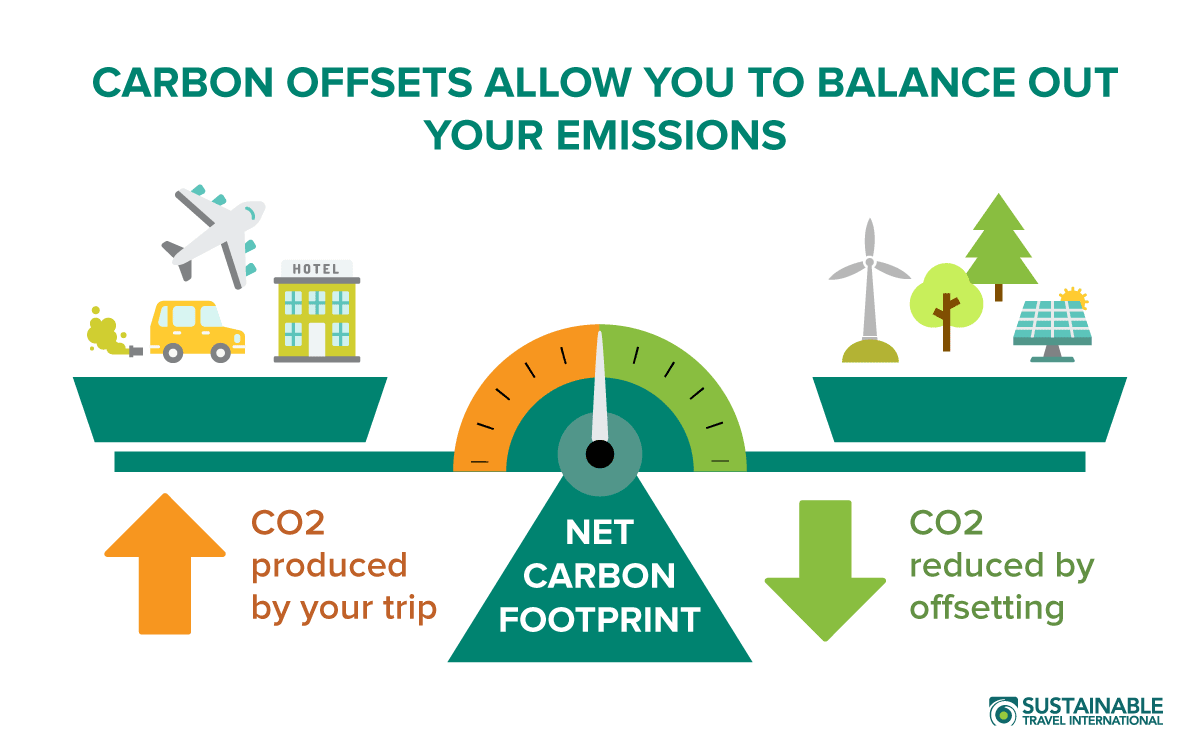

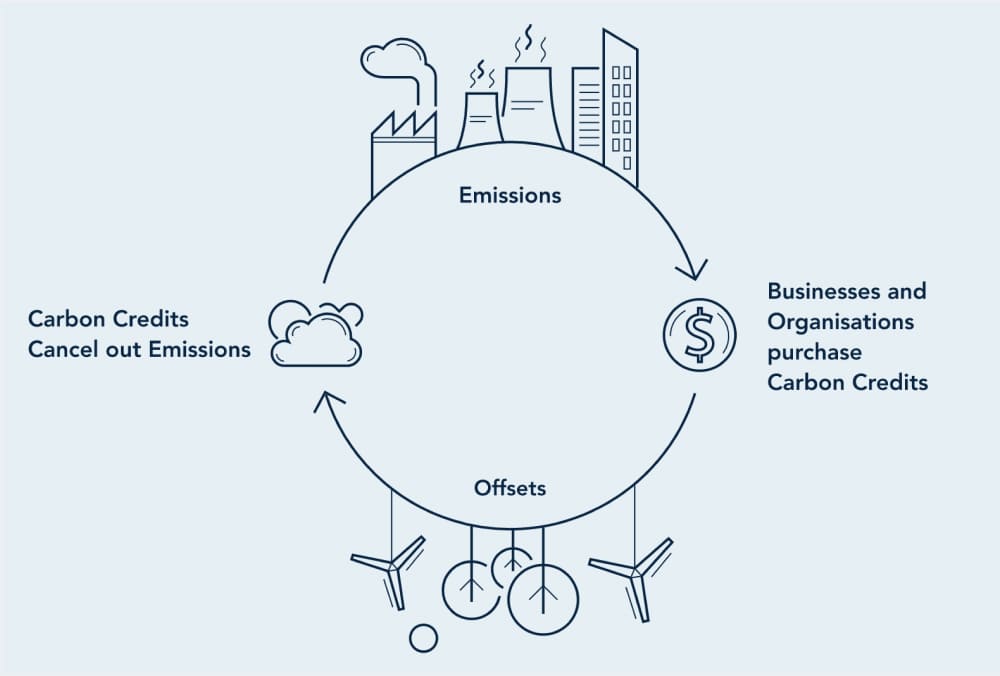
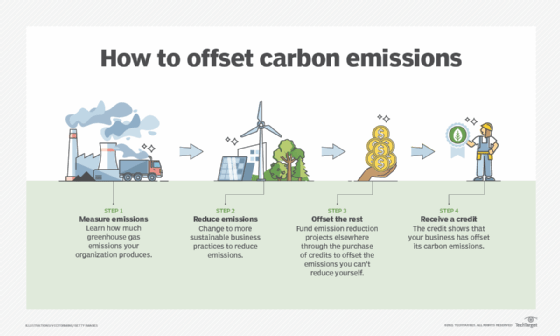








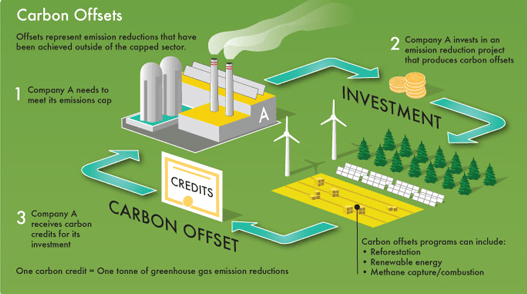



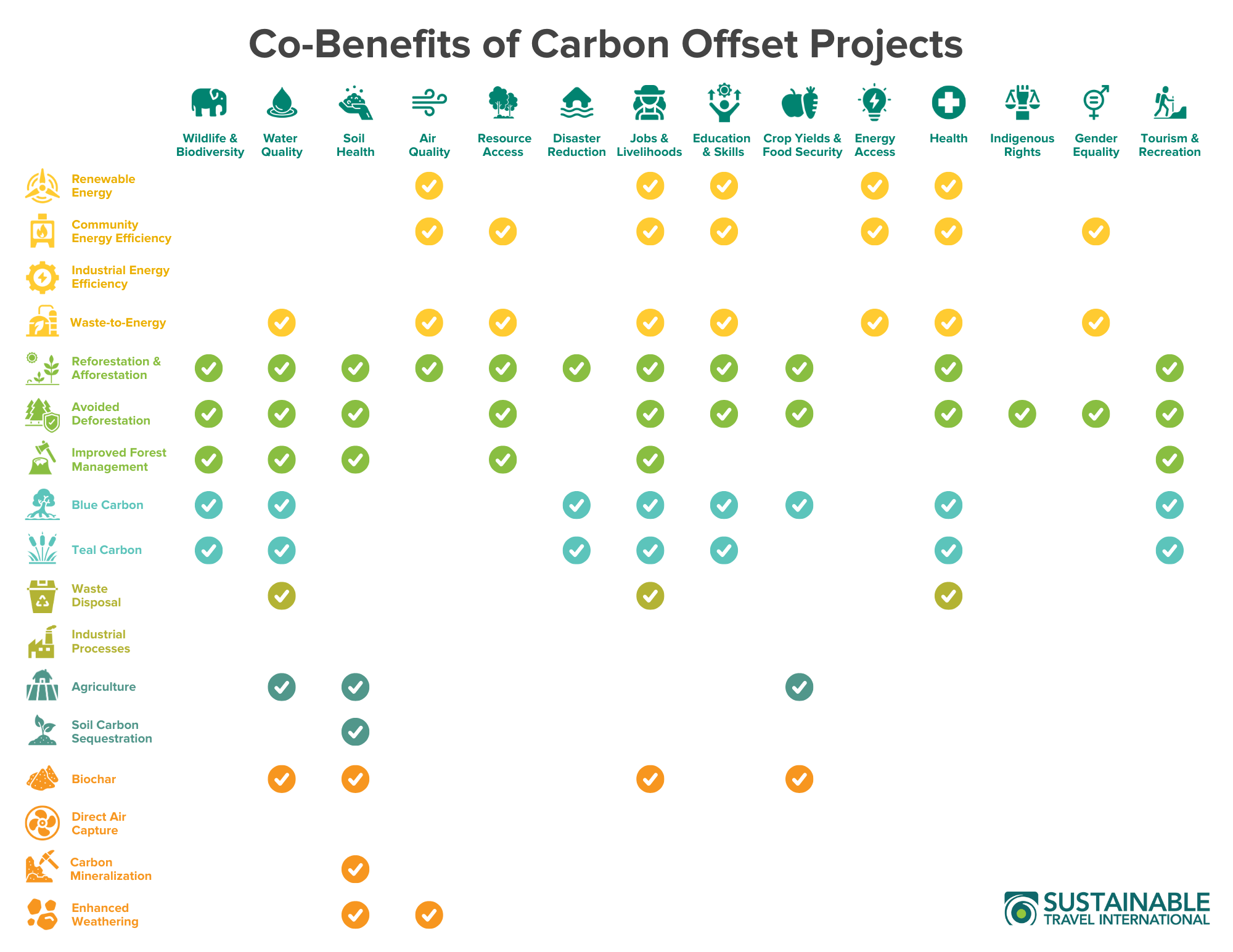

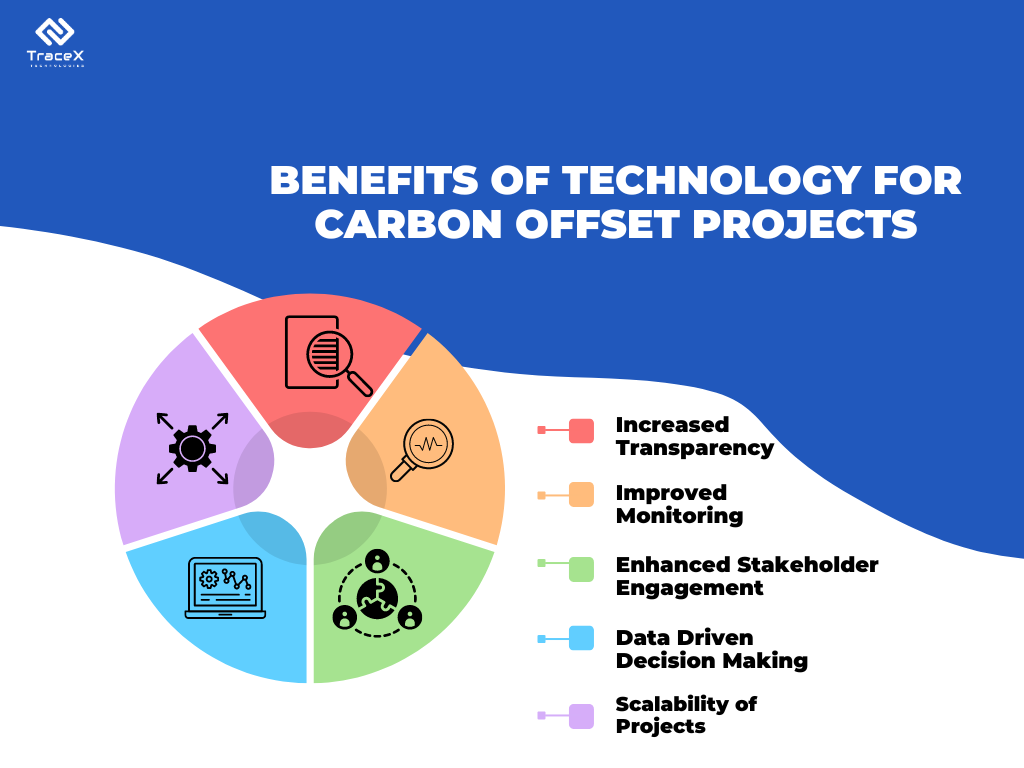
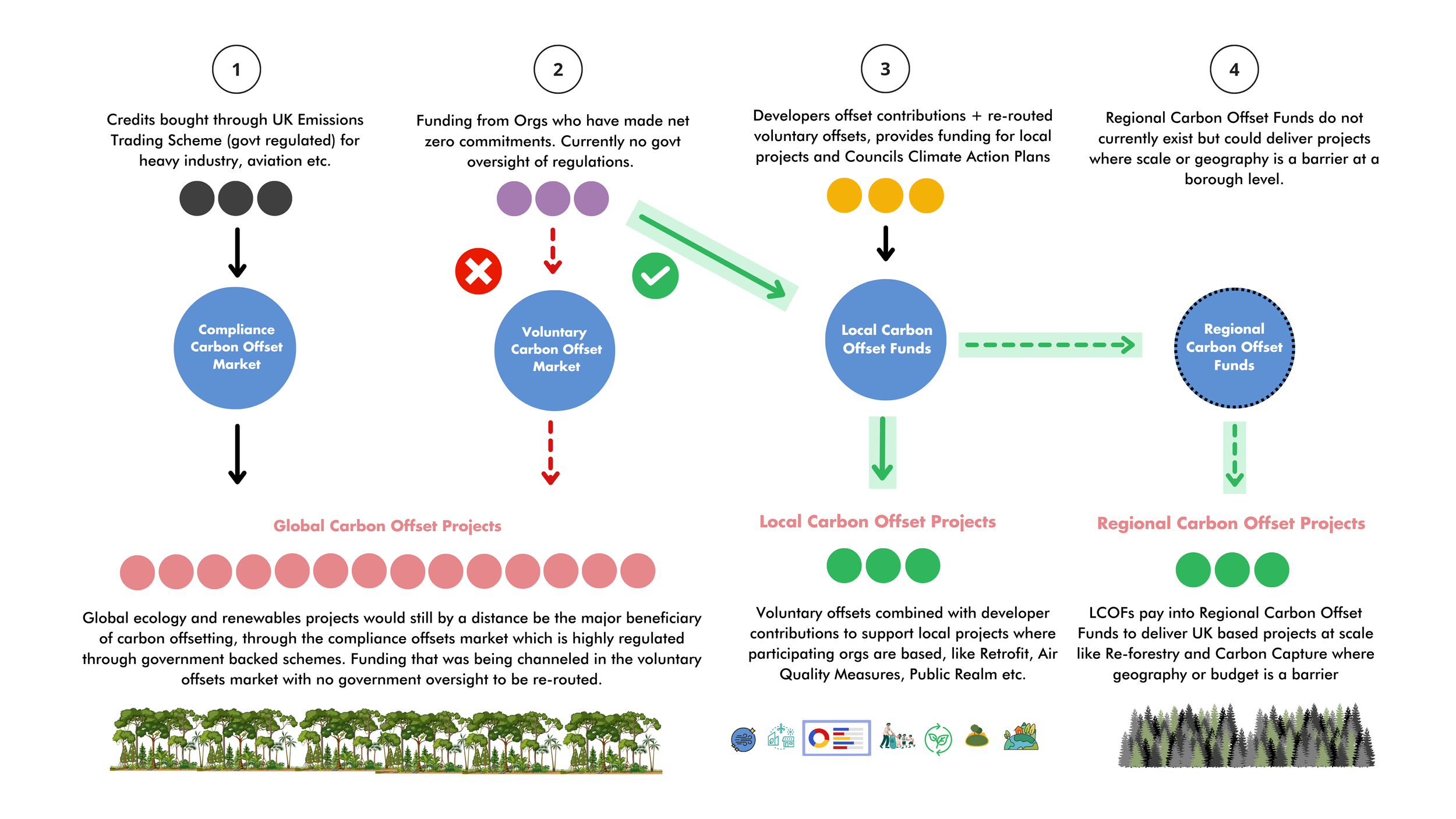
Cutting corners, forgetting ongoing care, and following unverified tips seldom works well, so be patient and keep reassessing your situation as you go.
Steps Toward a Better Outcome
Set realistic expectations from the start, and your experience will improve, and by reviewing your progress on a regular schedule.
Track what changes happen and how the situation responds, so you can tweak quickly and never make the same mistake twice.
The Role of Budget, Time, and Care
Most of the time, the deciding factors are price, planning, and upkeep, and all of them should be planned together.
Making a realistic plan for each of these reduces surprises, while rechecking them after any change keeps your strategy adjustable.
When Professional Help Is Worth It
There are times when expert help is the smartest route, especially when the risk or the complexity is high.
Do not hesitate to reach out when you are unsure, because expert input frequently saves you time, cash, and headaches.
What to Remember at the End
The time spent learning about Carbon Offsetting Program Design beforehand is always worth it along with more intelligent choices.
Start with this guide, tailor it to your needs, and gain confidence as you practice as you discover your own preferences.