Everything You Need to Know About Energy Efficient Design For Apartments In Urban Areas

Energy Efficient Design For Apartments In Urban Areas is a topic that often raises a lot of questions, and the aim here is to break everything down in a simple, practical way.

Whether this is your first look at the subject, a deep dive, or a quick fix for an ongoing problem, what follows is meant to give you confidence and a deeper understanding before you decide.
Why Energy Efficient Design For Apartments In Urban Areas Matters
Most people do not think twice about Energy Efficient Design For Apartments In Urban Areas, assuming it is simple, but it is the little things that matter most in the end.
Learning the reasoning behind it helps you avoid common mistakes, evaluate your options fairly, and avoid surprises, so you are never left relying on luck.

Core Principles Worth Remembering
At its core, Energy Efficient Design For Apartments In Urban Areas is about understanding what fits best in your situation and applying the right approach consistently.
Lay a simple foundation, then grow from there, reviewing your progress along the way and tweaking things as needed.

How to Pick the Best Approach for Energy Efficient Design For Apartments In Urban Areas
Every situation calls for its own answer, as the right decision for Energy Efficient Design For Apartments In Urban Areas hinges on your funds, your targets, and what is realistically available.
Comparing the common options side by side makes it easier to pick the one that gives you the reliability you need without going over budget.

Typical Errors People Make
People often fail at Energy Efficient Design For Apartments In Urban Areas because they ignore the preparation stage, which almost always costs extra time and effort in the end.








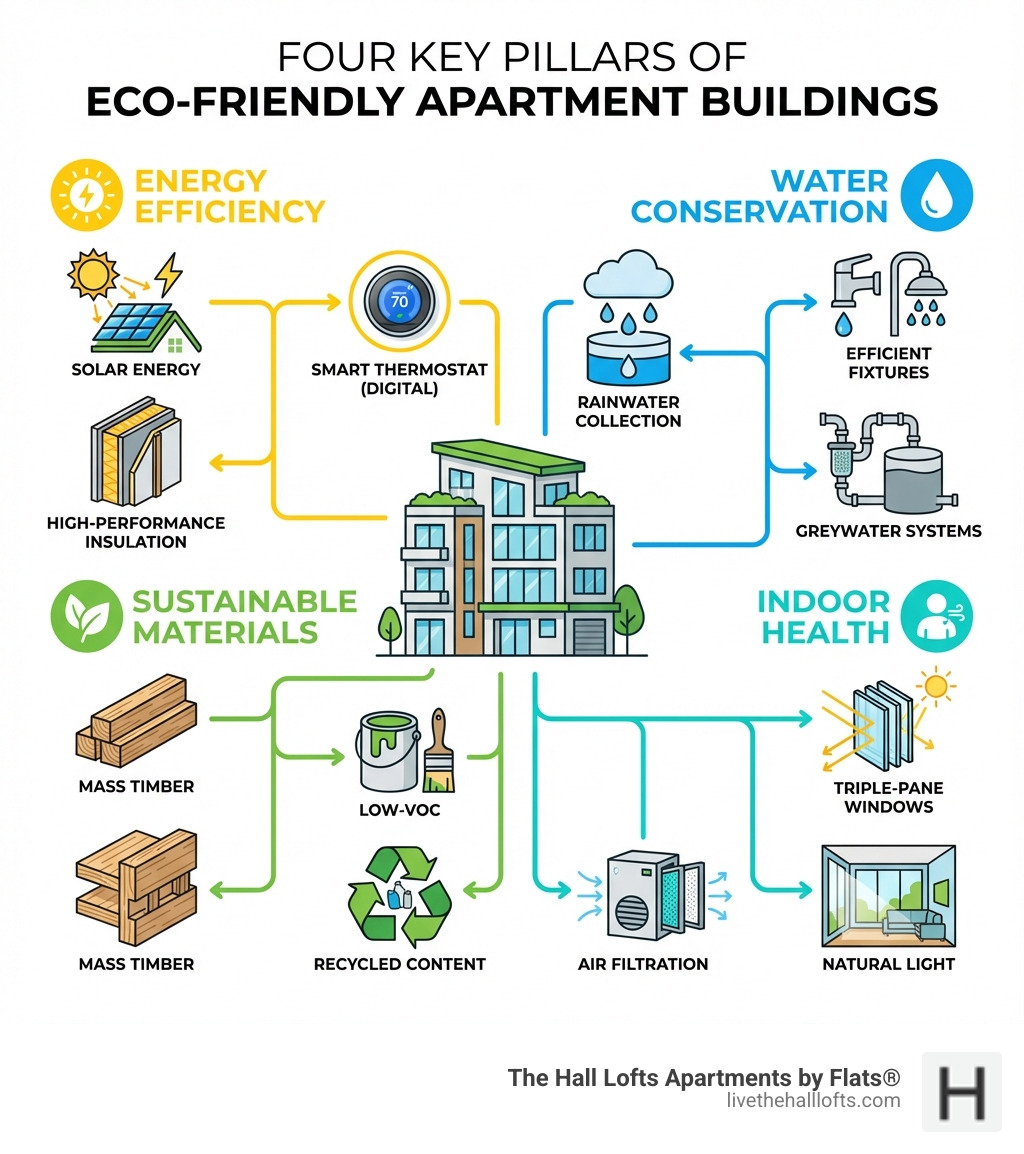
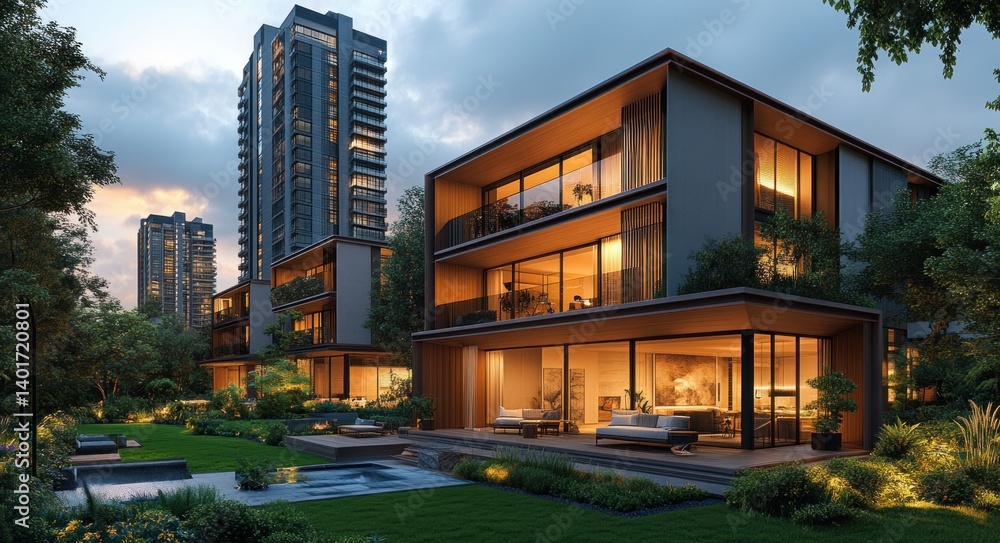


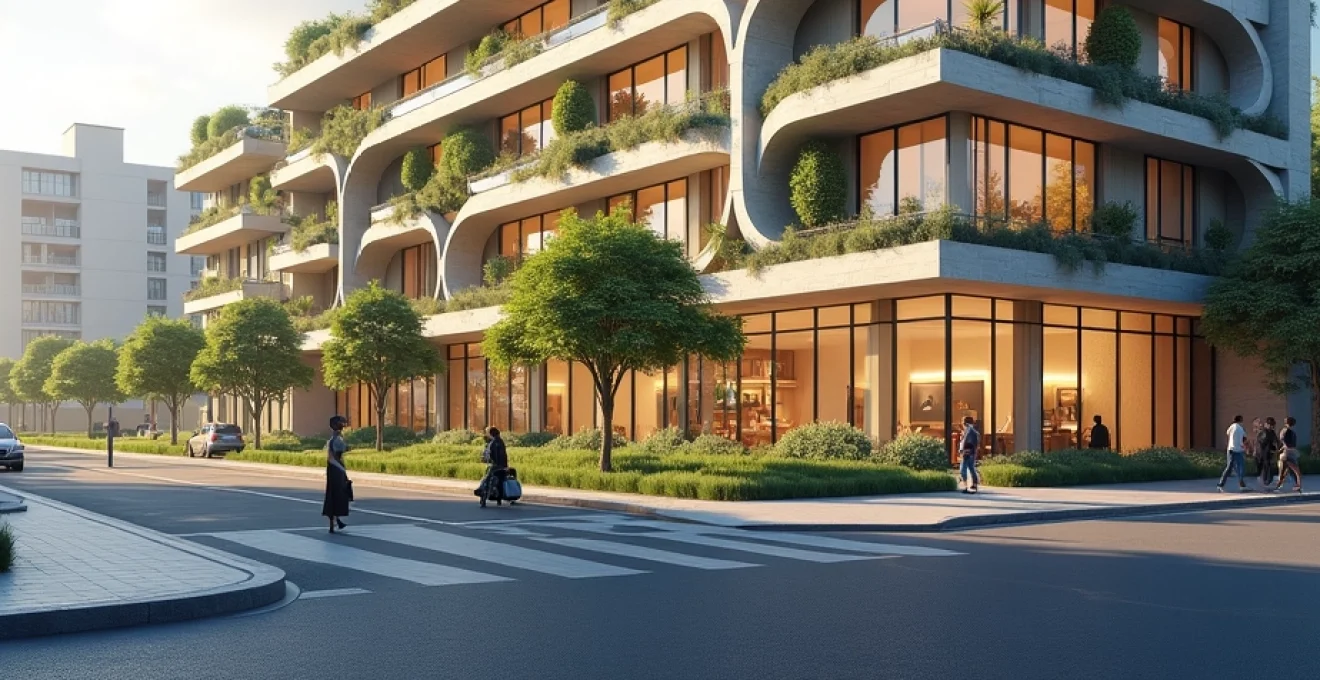
Hurrying past the details, skipping upkeep, and trusting random advice usually ends badly, so be patient and keep reassessing your situation as you go.
Practical Tips for Better Results
Set realistic expectations from the start, and your experience will improve, and keeping a close eye on how your progress unfolds.
Keep a small record of what changes and how it reacts, so you can tweak quickly and never make the same mistake twice.
Cost, Schedule, and Upkeep
For the average person, it all comes down to cost, timing, and regular care, so treat all three as one single plan.
Planning each factor realistically keeps unexpected problems away, and reviewing them when something changes keeps your approach flexible and controllable.
When to Seek Guidance
There are times when expert help is the smartest route, especially when the risk or the complexity is high.
Ask for input the moment you feel unsure, since a good second opinion usually spares you time, money, and stress.
What to Remember at the End
Taking the time to understand Energy Efficient Design For Apartments In Urban Areas before you begin pays off in smoother results and smarter decisions.
Let this guide be your launch pad, personalize it, and let your confidence build naturally what works best for you.