Everything You Need to Know About Flea And Tick Prevention For Elderly Dogs

People frequently ask about Flea And Tick Prevention For Elderly Dogs and how to handle it well, and the goal here is to give you a clear and practical overview without any confusion.

Whether you are just starting to explore it, looking for reliable guidelines, or trying to solve a specific problem, what follows is meant to give you confidence and a deeper understanding before you decide.
Why Flea And Tick Prevention For Elderly Dogs Matters

Flea And Tick Prevention For Elderly Dogs is easy to ignore because it appears uncomplicated at first glance, but it is the little things that matter most in the end.
Knowing the reasons behind the rules keeps you from repeating common mistakes, evaluate your options fairly, and avoid surprises, so you are never left relying on luck.
The Fundamental Things to Understand First
At its core, Flea And Tick Prevention For Elderly Dogs is about understanding what fits best in your situation and following through with the same approach every time.
Start with the simple ground to build on, then move forward step by step, reviewing your progress along the way and tweaking things as needed.

Finding the Method That Fits Flea And Tick Prevention For Elderly Dogs Best
There is rarely one answer that fits all cases, because the best choice for Flea And Tick Prevention For Elderly Dogs depends on your budget, your goals, and the resources available to you.
Comparing the common options side by side makes it easier to pick the one that gives you the reliability you need without paying more than you have to.

Common Mistakes to Avoid
One of the biggest reasons people struggle with Flea And Tick Prevention For Elderly Dogs is skipping the preparation that saves time later, and that usually leads to wasted time and effort later on.







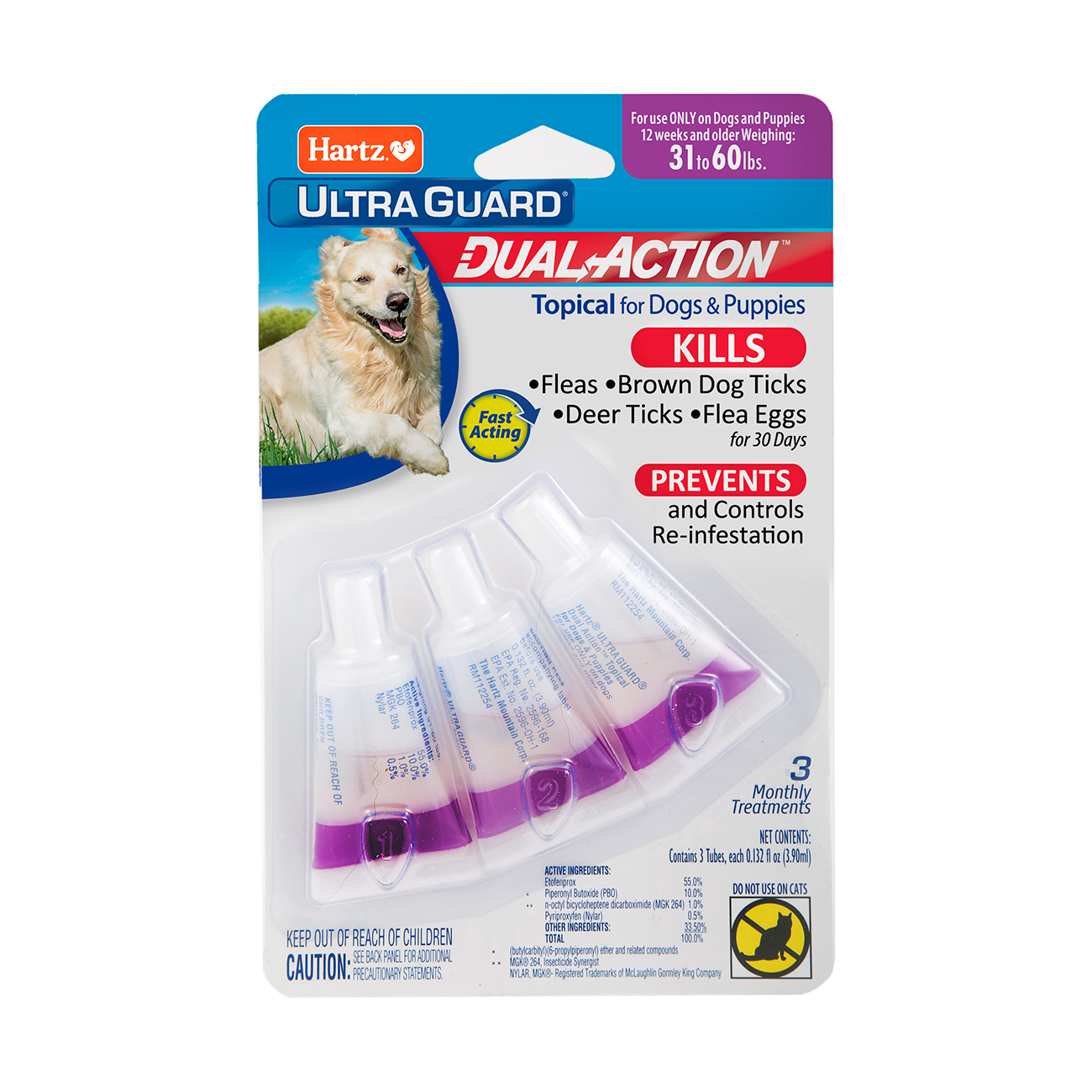


Cutting corners, forgetting ongoing care, and following unverified tips seldom works well, which is why steady patience and regular review work best.
Practical Tips for Better Results
Set realistic expectations from the start, and your experience will improve, and checking your progress on a regular basis.
Note down each adjustment and the reaction it produces, so you can tweak quickly and never make the same mistake twice.
Budget, Timing, and Maintenance
For the average person, it all comes down to cost, timing, and regular care, and none of them should be planned in isolation.
Making a realistic plan for each of these reduces surprises, while rechecking them after any change keeps your strategy adjustable.
When Professional Help Is Worth It
Certain cases are best left to someone with professional experience, especially when the risk or the complexity is high.
Ask for input the moment you feel unsure, because expert input frequently saves you time, cash, and headaches.
A Few Closing Thoughts
Investing time in understanding Flea And Tick Prevention For Elderly Dogs up front leads to smoother results and smarter decisions.
Use this guide as a starting point, adapt it to your own situation, and build confidence as you learn what works best for you.