Everything You Need to Know About Textured Acoustic Foam For Soundproofing

Textured Acoustic Foam For Soundproofing is a topic that often raises a lot of questions, and the aim here is to break everything down in a simple, practical way.

No matter if you are new to the topic, researching your options, or facing a real challenge, you will find practical details here that support better decisions and clearer expectations.
Why Textured Acoustic Foam For Soundproofing Matters

Many people overlook Textured Acoustic Foam For Soundproofing because it seems simple at first, but the fine points can completely change the results you see.
Learning the reasoning behind it helps you avoid common mistakes, weigh your choices more wisely, and anticipate what comes next, which removes the guesswork from your decisions.

Core Principles Worth Remembering
When you strip it down, Textured Acoustic Foam For Soundproofing is about matching the right approach to your needs and applying the right approach consistently.
Build on the basics first, and progress gradually, measuring your results and correcting course whenever reality differs from the plan.

Selecting What Works for Your Textured Acoustic Foam For Soundproofing Situation
There is rarely one answer that fits all cases, since what works best for Textured Acoustic Foam For Soundproofing depends on your budget, your aims, and the tools you have on hand.
Weighing the standard choices against each other helps you settle on a trustworthy option without spending more than necessary.

Traps to Watch Out For
Most of the trouble with Textured Acoustic Foam For Soundproofing comes from rushing past the groundwork, and skipping it inevitably makes things harder down the road.

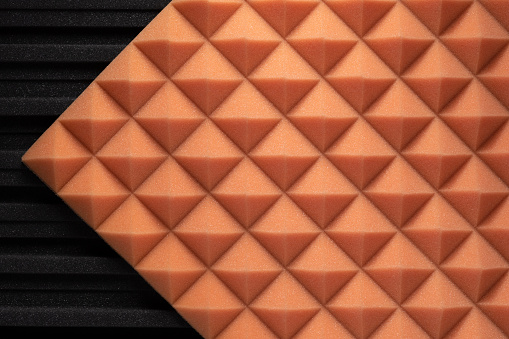


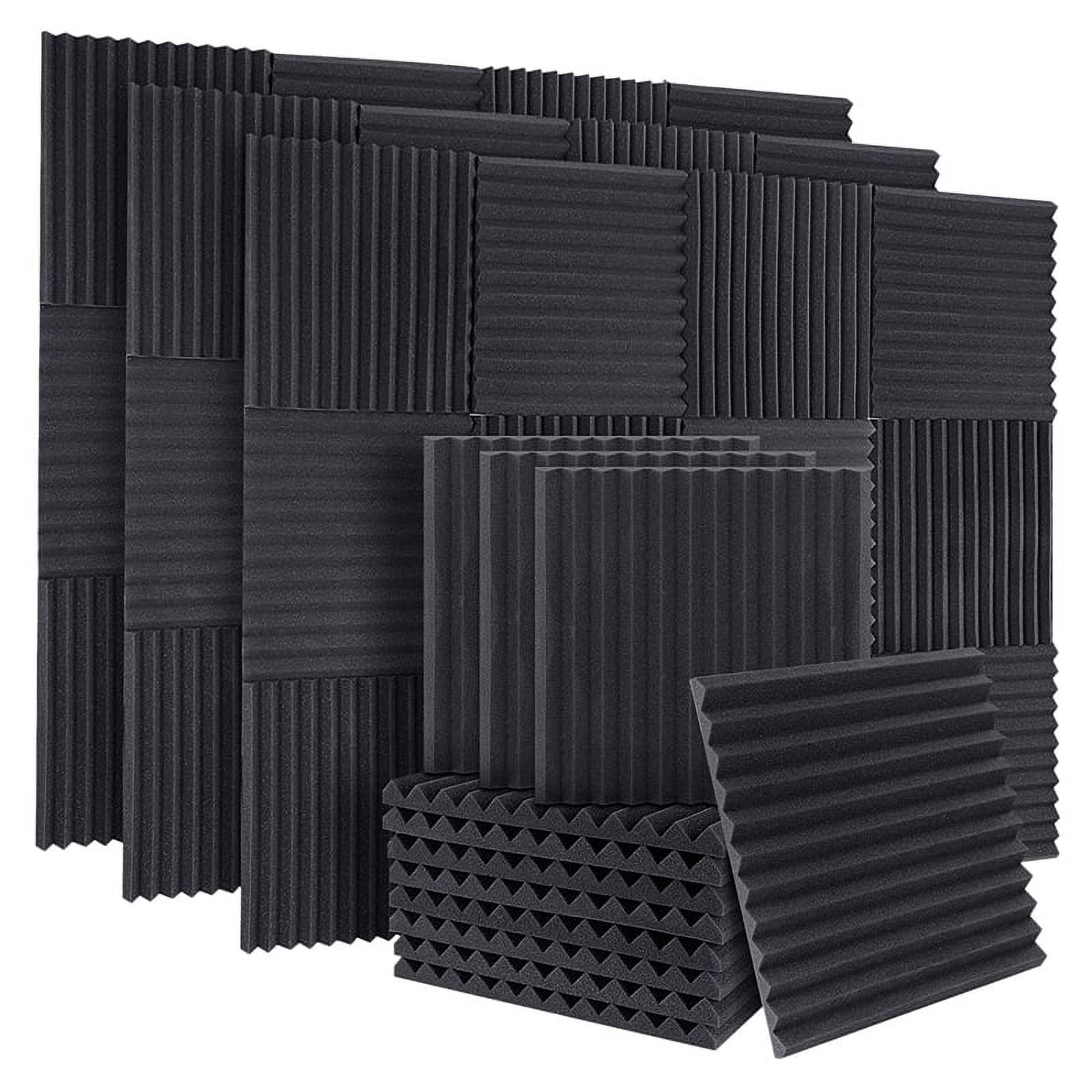


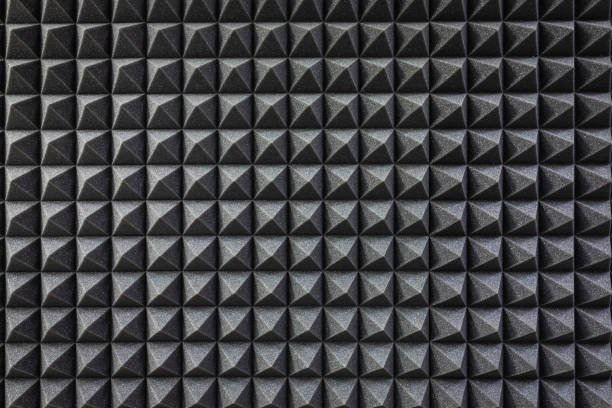

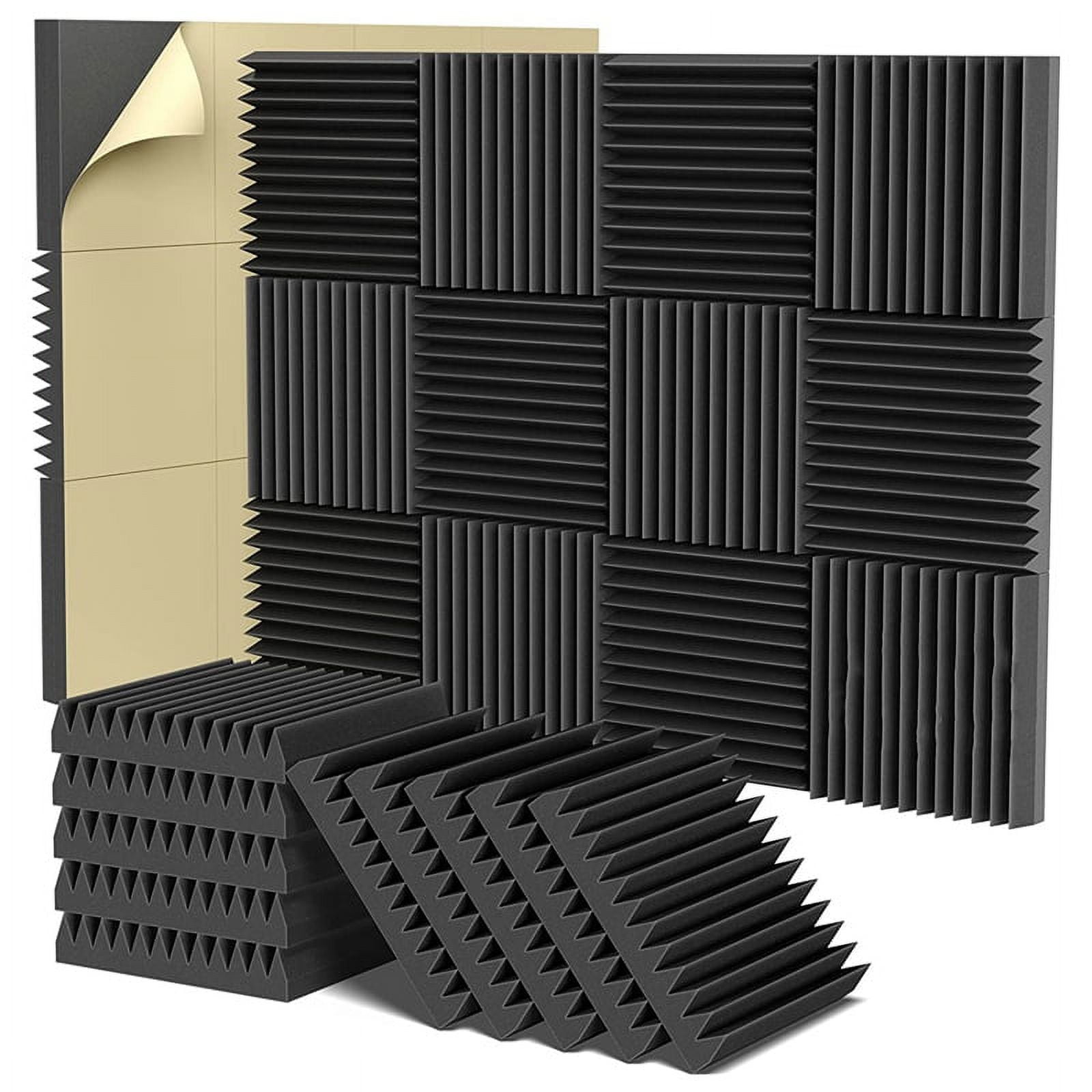



Cutting corners, forgetting ongoing care, and following unverified tips seldom works well, which is why steady patience and regular review work best.
Steps Toward a Better Outcome
You will get more out of Textured Acoustic Foam For Soundproofing by being clear about what you expect, while also monitoring how things are going on a steady basis.
Note down each adjustment and the reaction it produces, so you can tweak quickly and never make the same mistake twice.
Budget, Timing, and Maintenance
For most people, the three main factors of Textured Acoustic Foam For Soundproofing are cost, schedule, and ongoing care, and you should plan all three at the same time.
A grounded plan for every factor prevents nasty surprises, and reviewing them when something changes keeps your approach flexible and controllable.
When Professional Help Is Worth It
There are times when expert help is the smartest route, particularly when the stakes or the difficulty are high.
Do not hesitate to reach out when you are unsure, because expert input frequently saves you time, cash, and headaches.
Wrapping Up
Taking the time to understand Textured Acoustic Foam For Soundproofing before you begin pays off in smoother results and far better decision-making.
Start with this guide, tailor it to your needs, and gain confidence as you practice what works best for you.